Hands With Heart at the REBUILDING International Forum in Lorca
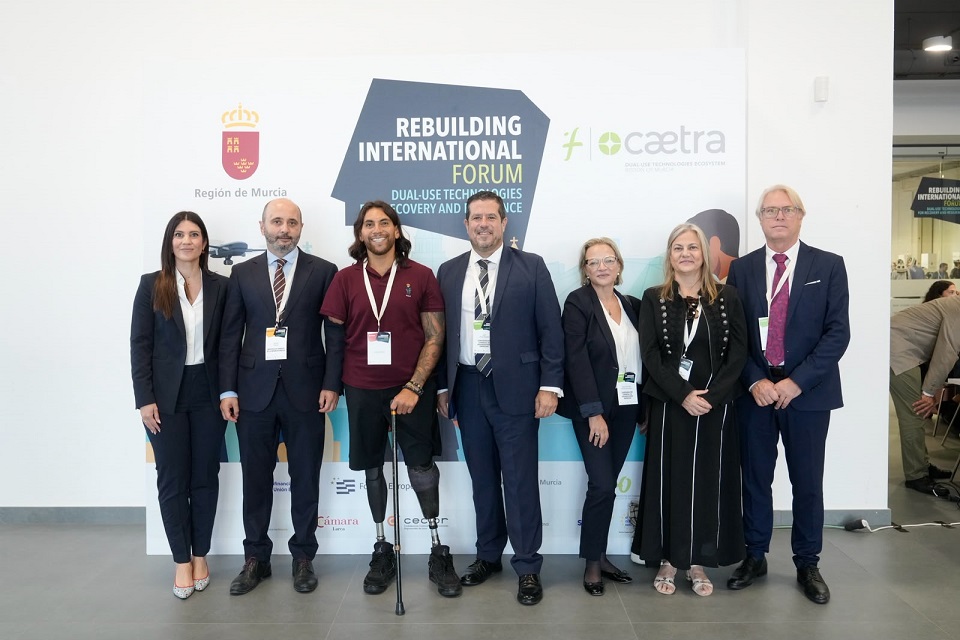
When we talk about reconstruction, rebuilding cities is only part of the story. We also have to rebuild lives.
On 20 October, Lorca, Spain, hosted the REBUILDING International Forum CAETRA, bringing together representatives from NATO, the European Parliament and Ukraine, alongside international experts, institutions and technology companies to explore how societies can respond to and recover from natural disasters and armed conflict.
For Hands With Heart Foundation, the conversation went beyond infrastructure. Our focus was on Human Recovery: what happens to people after the immediate emergency has passed, and what it really takes to rebuild a life after trauma, serious injury or war.
Lorca understands reconstruction.
Fifteen years after the devastating earthquakes of 2011, the city has become an example of how a community can recover, rebuild and transform the lessons of catastrophe into knowledge that can help others. But reconstruction does not end when buildings, hospitals and roads have been restored.
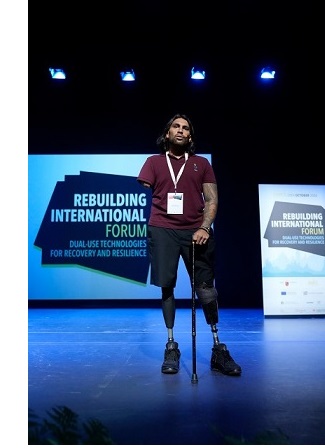
Behind every conflict or disaster are people facing a much longer journey: recovering physically and psychologically, adapting to disability, regaining independence and confidence, returning to their families and communities, and finding purpose again. This human dimension of reconstruction was at the centre of Hands With Heart’s contribution to the forum.
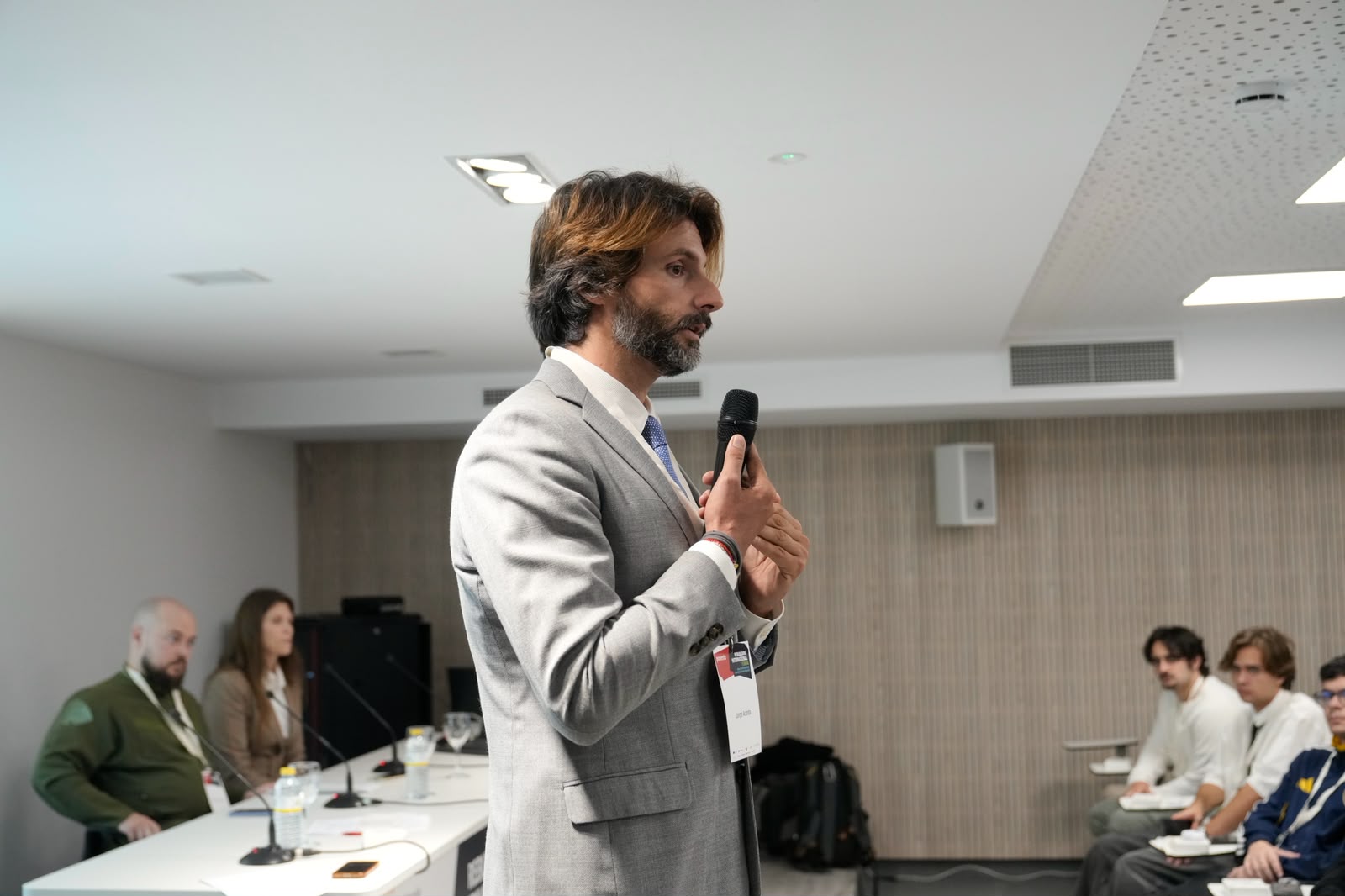
Dr. Jorge Aranda, Founder and President of Hands With Heart Foundation, participated in the Human Recovery programme, focused on mental health, resilience, neurorehabilitation and the role of innovation and technology in recovery, particularly in the context of Ukraine. The message was simple: we can rebuild infrastructure, but rebuilding a society also means ensuring that the people affected by war have the opportunity to rebuild their own lives.
José Martínez: recovery told from lived experience
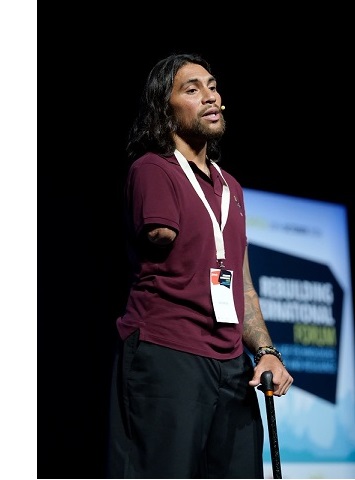
That message became particularly powerful through the participation of José Martínez, U.S. Army veteran, adaptive surfing world champion and a triple amputee following injuries sustained while serving in Afghanistan. José did not speak about recovery as an abstract concept. He spoke from experience.
After losing both legs and one arm, rehabilitation meant far more than surviving an injury. It meant learning how to live again, rebuilding independence and confidence, and discovering what was still possible.
That message became particularly powerful through the participation of José Martínez, U.S. Army veteran, adaptive surfing world champion and a triple amputee following injuries sustained while serving in Afghanistan. José did not speak about recovery as an abstract concept. He spoke from experience.
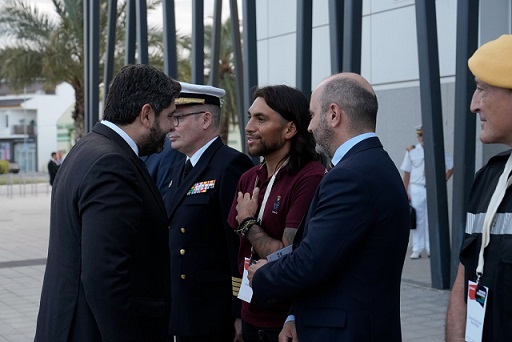
After losing both legs and one arm, rehabilitation meant far more than surviving an injury. It meant learning how to live again, rebuilding independence and confidence, and discovering what was still possible.
During the forum, José emphasized the importance of the people who supported him throughout that process and explained why he continues to share his story: not because he considers himself different, but because he wants to see other people “be human, enjoy life and keep moving forward.”
His testimony brought the central idea of Human Recovery into sharp focus: Rehabilitation is not simply about treating an injury. It is about restoring autonomy, dignity, confidence, purpose and participation in life.
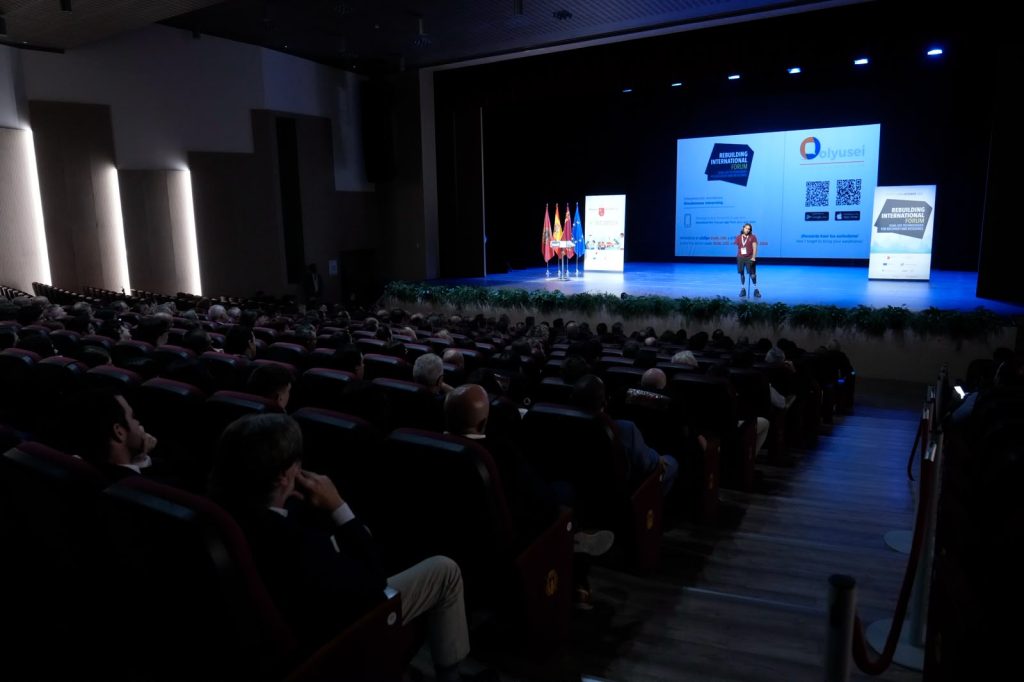
From Lorca to Ukraine
For Hands With Heart, the conversation in Lorca is not theoretical. Since 2022, our teams have been working in Ukraine alongside local professionals, rehabilitation centres and communities affected by the war. And only days after the REBUILDING Forum, we are returning.
From 25 to 30 October 2026, Hands With Heart will carry out Mission 16 in Ukraine, working at the Galichina Rehabilitation Center in Lviv and the Velykyi Liubin Rehabilitation Center. The mission will bring together an international multidisciplinary team to work alongside Ukrainian professionals supporting people living with the physical and psychological consequences of war.
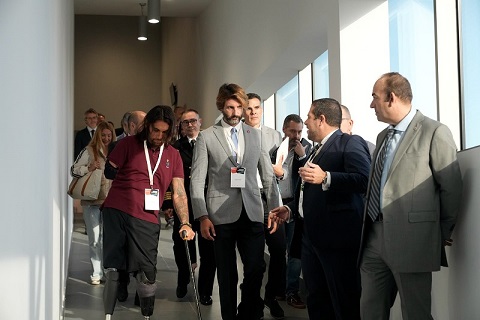
José Martínez will join the mission, taking the message shared in Lorca directly into the rehabilitation environment in Ukraine. His contribution is particularly significant. For someone facing amputation or a life-changing injury, clinical rehabilitation is essential. But there is another form of knowledge that can only come from someone who has already travelled that road.
The knowledge that life after amputation can still contain independence, sport, relationships, ambition, work, adventure and purpose.
Reconstruction is ultimately about people
The REBUILDING Forum explored technology, infrastructure, emergency response and the future of territories affected by catastrophe and conflict. Hands With Heart brought another question to that conversation:
What does rebuilding mean for the person who has to begin again? Our answer is the same one we take with us to Ukraine. Reconstruction is not complete when the buildings are standing again. It is complete when people have the tools, support, knowledge and opportunities they need to build a life again.
From Lorca to Ukraine, that is the reconstruction we believe in.

